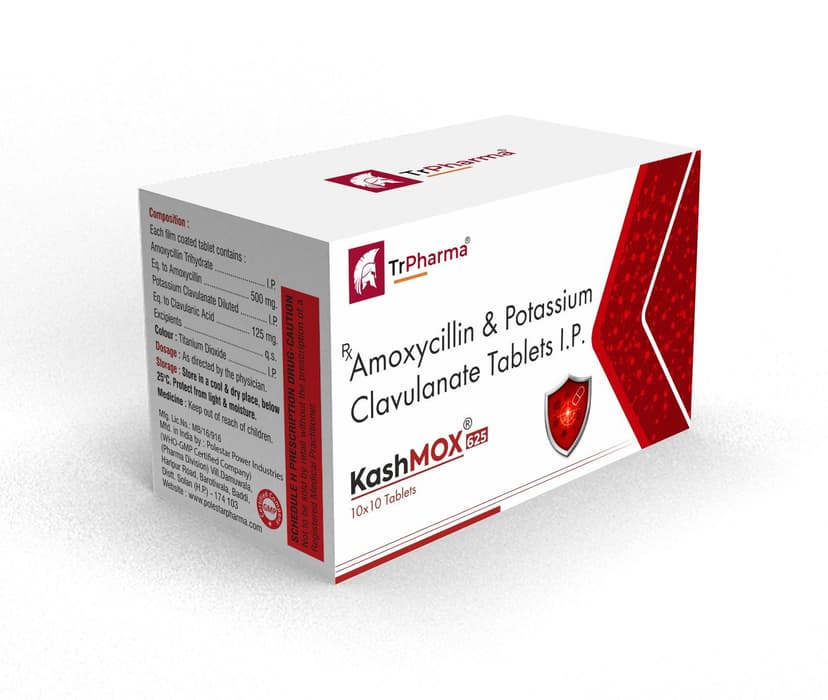
KashMOX 625
KashMOX 625 — Guard Your Health.
₹196
₹175
Amoxicillin meets Clavulanic Acid to tackle infections head-on. Quick. Effective. Resilient. Get back to full strength faster.
Generic Name
Amoxicillin 500 mg + Potassium Clavulanate 125 mg
Brand Name
KashMOX 625
(by TrPharma, a division of ThinkRoman Ventures LLP)
Pharmacologic Class
- Beta-lactam Antibiotic
- Penicillin Antibiotic
- Beta-lactamase Inhibitor Combination
Therapeutic Use
Treatment of Bacterial Infections:
Used for treating a wide range of bacterial infections, including those of the respiratory tract, ear, sinus, skin, soft tissues, urinary tract, and dental infections.
Combination Therapy Advantage:
Clavulanic acid extends the antibacterial spectrum of amoxicillin by inhibiting beta-lactamase enzymes produced by resistant bacteria.
Mechanism of Action
Amoxicillin:
A penicillin antibiotic that inhibits bacterial cell wall synthesis, leading to bacterial cell lysis and death.
Clavulanic Acid:
A beta-lactamase inhibitor that protects amoxicillin from enzymatic degradation, enhancing its effectiveness against resistant organisms.
Dosage Forms
Tablets:
625 mg, supplied in Alu-Alu packaging (10 × 10 tablets).
Indications
- Respiratory Tract Infections:
Bronchitis, pneumonia, sinusitis - Ear Infections (Otitis Media)
- Skin and Soft Tissue Infections:
Cellulitis, abscesses - Urinary Tract Infections:
Cystitis, pyelonephritis - Dental Infections:
Dental abscesses and odontogenic infections
Contraindications
- Known hypersensitivity to penicillins, cephalosporins, or other beta-lactam antibiotics
- History of cholestatic jaundice or liver dysfunction associated with amoxicillin-clavulanate use
Adverse Effects
Common:
Diarrhea, nausea, vomiting, abdominal pain, skin rash.
Serious (Rare):
Severe allergic reactions (including anaphylaxis), liver dysfunction, Clostridium difficile-associated diarrhea.
Potential for Superinfection:
Prolonged use may result in fungal or secondary bacterial infections.
Drug Interactions
- Anticoagulants (e.g., warfarin): Increased risk of bleeding
- Allopurinol: Increased risk of skin rashes
- Oral Contraceptives: May reduce contraceptive effectiveness
Special Precautions
- Monitor liver function during prolonged therapy
- Use caution in patients with a history of gastrointestinal disease, particularly colitis
- Dose adjustment may be required in renal impairment
Pregnancy and Breastfeeding
Pregnancy:
Generally considered safe when prescribed by a healthcare professional.
Breastfeeding:
Excreted in small amounts in breast milk; usually safe, though mild gastrointestinal disturbances in the infant may occur.
Pediatric Use
Dosage adjustments are required based on body weight and severity of infection. Pediatric formulations (oral suspensions) are available.
Dosage
Adults:
Typically, one tablet (625 mg) every 8–12 hours, or as directed by a healthcare professional.
Adjustments:
Required for patients with renal or hepatic impairment.
Storage
Store in a cool, dry place, away from direct sunlight and moisture.
Keep out of reach of children.
Missed Dose
Take as soon as remembered, unless it is almost time for the next scheduled dose.
Do not double the dose.
Overdose Management
Symptoms may include severe gastrointestinal symptoms, renal issues, or central nervous system effects (e.g., seizures).
Seek immediate medical attention in case of suspected overdose.
Expert Advice
Complete the full course of treatment, even if symptoms resolve early.
Take with food to reduce the risk of gastrointestinal upset.
Stay hydrated to minimize side effects such as diarrhea.
Frequently Asked Questions
What should I do if I experience severe side effects?
Discontinue use and consult a healthcare provider immediately if severe side effects such as rash or persistent diarrhea occur.
Can I take KashMOX 625 on an empty stomach?
It is preferable to take it with food to minimize stomach upset.
Is alcohol consumption safe during treatment?
Avoid alcohol, as it may increase the risk of side effects and reduce the effectiveness of the antibiotic.